
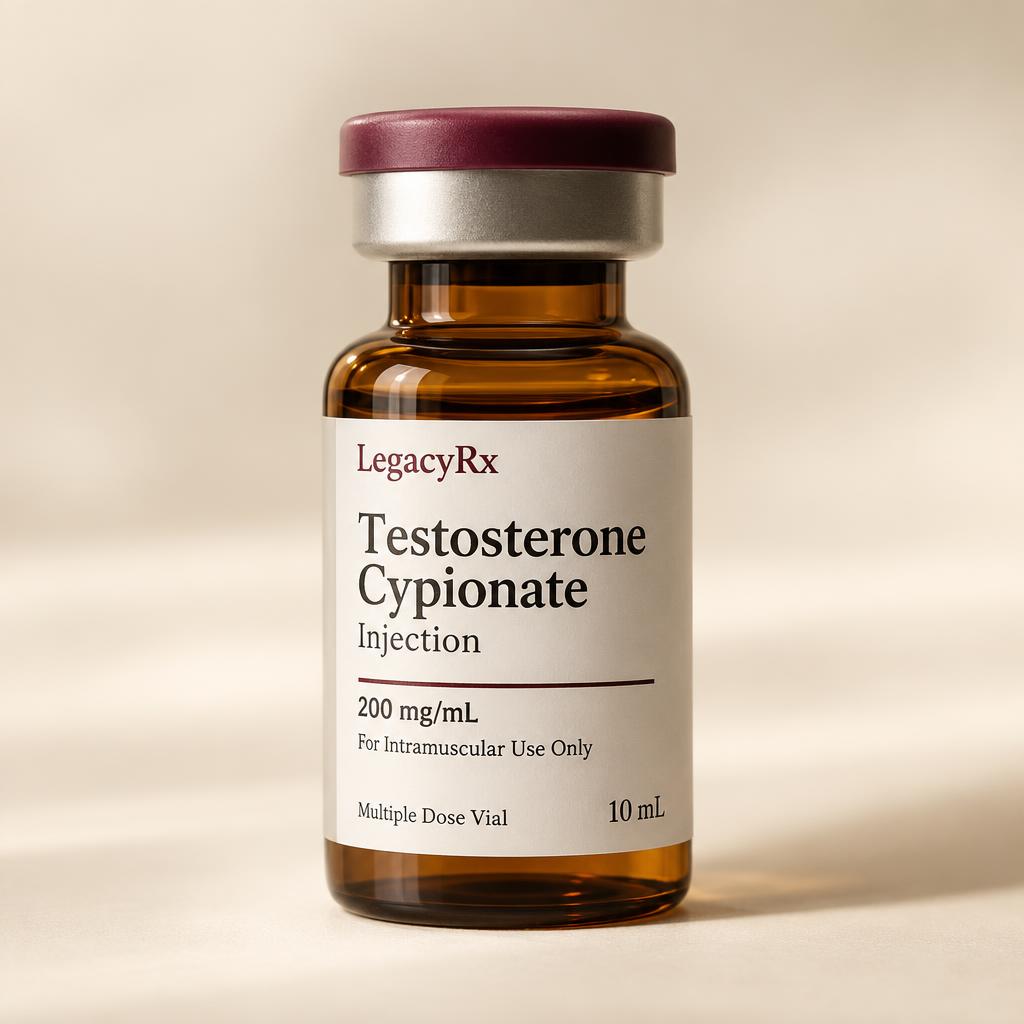
Testosterone levels can change with age and health, but symptoms alone do not confirm low testosterone. A proper evaluation looks at your medical history, symptoms, and laboratory results together.
Testosterone therapy is prescription care and is not appropriate for everyone. The decision belongs to a licensed clinician after an individualized review.
Evaluation comes before treatment
Fatigue, changes in mood, reduced sex drive, or changes in body composition can have many causes. A clinician considers the full picture rather than relying on a single symptom or an online checklist.
Laboratory testing may be used to measure hormone levels and identify other factors that could explain how you feel.
Treatment should be monitored
If therapy is prescribed, follow-up is part of responsible care. Your clinician may monitor symptoms, hormone levels, blood counts, and other health markers based on your history and treatment plan.
- Use only the dose and schedule your clinician prescribes.
- Attend requested laboratory testing and follow-up visits.
- Tell your care team about side effects and health changes.
Benefits and risks are individual
The goal of care is not to chase a number. It is to address clinically supported symptoms while weighing potential benefits against risks. Outcomes vary, and ongoing communication helps your clinician make informed decisions with you.
A safe next step
A confidential assessment can help determine whether a clinical evaluation makes sense. It is not a diagnosis and does not guarantee treatment.